Essential Considerations for Port Dover Foundation Work
Port Dover foundation work, like residential concrete projects anywhere in Norfolk County, starts with the ground beneath your feet. Over the years I have seen too many homeowners rush into a concrete foundation pour without thinking through the basics. The soil here in Port Dover can vary a lot from one lot to the next. Sandy loam near the lake, heavier clay further inland. That difference matters because a foundation needs proper support. If the ground shifts after the pour, you get cracks, settling, and headaches that cost a lot more to fix later. So before any concrete forming begins, a good concrete contractor will always check the site conditions.
Understanding the Local Soil and Climate
Norfolk County experiences freeze-thaw cycles every winter. That means the ground can heave and settle as temperatures swing. For a concrete foundation to hold up over decades, it must be poured below the frost line. The Ontario Building Code sets the minimum depth, but local conditions sometimes call for a deeper footing. I have worked on sites where a shallow pour led to movement within two years. The homeowner ended up paying for foundation repair that could have been avoided with a proper depth from the start.
When I talk to clients in Port Dover, I always ask about drainage around the house. Water pooling near the foundation is a common issue. If the soil stays wet, it can freeze and expand, pushing against the concrete. A good concrete contractor will factor in drainage when planning the forming and pouring. That might mean grading the soil away from the house or adding weeping tile around the footings. It is not glamorous work, but it is the difference between a foundation that lasts and one that needs patching every few years.
Why Experience Matters in Foundation Work
Foundation work is not like pouring a concrete patio or a concrete walkway where the stakes are lower if something goes slightly wrong. A foundation carries the entire weight of the house. Mistakes in the concrete mix, the reinforcement, or the curing process can lead to structural issues that are expensive and dangerous to fix. That is why I always recommend hiring a concrete contractor with experience in residential concrete foundations, not just decorative flatwork.
Union-certified crews bring a level of training that is hard to match. They know how to handle concrete pouring in cold weather, how to place rebar correctly, and how to finish the surface so it stays level and strong. I have seen non-union crews cut corners on the curing time because they wanted to move fast. That leads to weak spots. Union-certified crews follow the Ontario Building Code standards more closely because they are trained to do it right. It costs a bit more upfront, but it saves a lot in the long run.
The Process: From Forming to Finishing
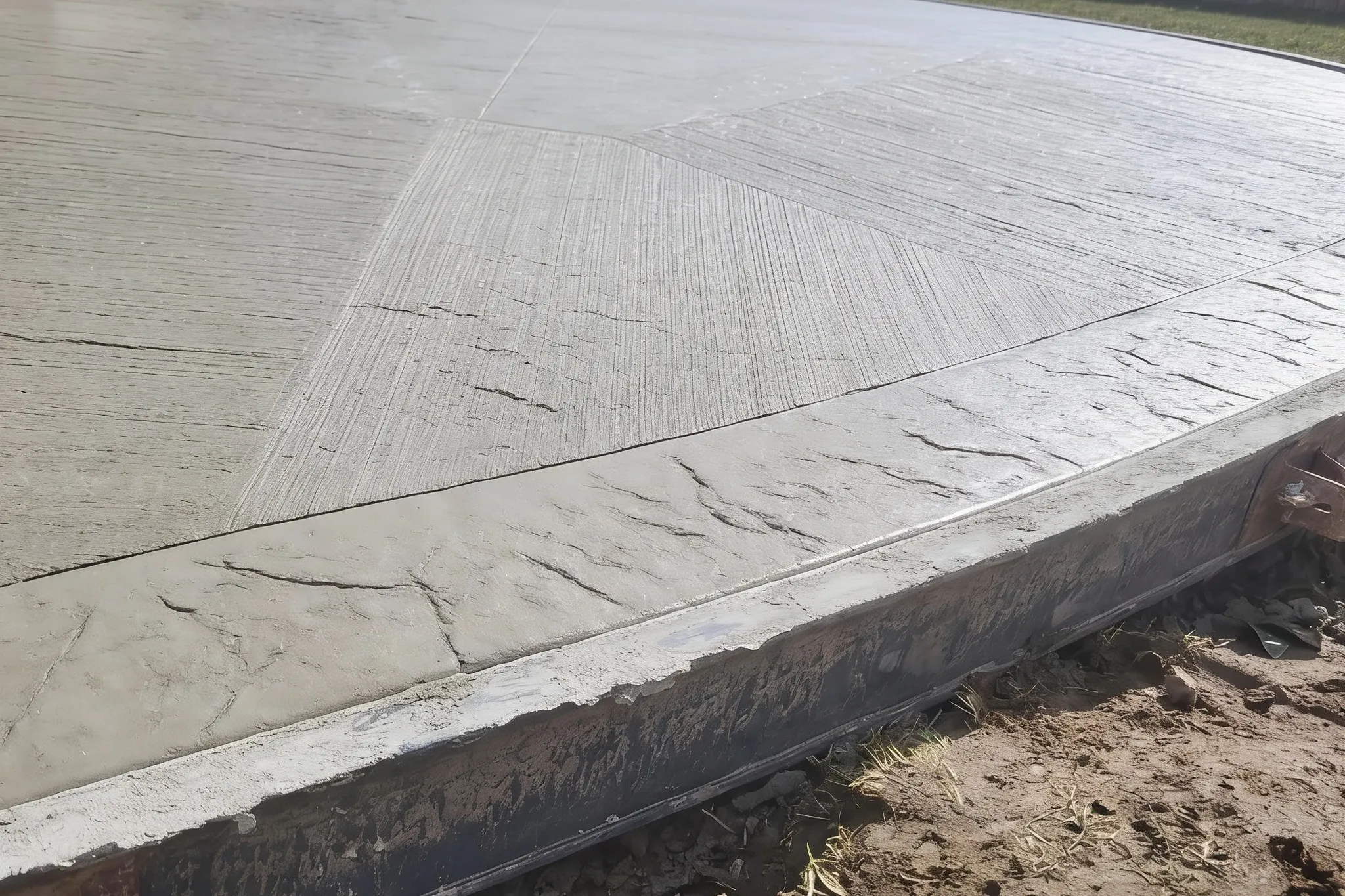
A typical residential concrete foundation starts with excavation. The crew digs a trench to the required depth and width. Then they set up forms, usually made of wood or metal, that shape the concrete as it pours. Concrete forming is a skill in itself. The forms must be level and braced tightly. If they shift during the pour, the foundation ends up crooked. I have seen that happen on a job where the crew rushed the setup. The whole wall had to be chipped out and repoured, which cost the homeowner a lot of time and money.
After the forms are set, the crew places steel reinforcement. Rebar and wire mesh give the concrete tensile strength. Without it, a concrete foundation can crack under the weight of the house. The spacing and overlap of the rebar matter. The Ontario Building Code specifies the minimums, but a good contractor will add a little extra in areas with poor soil or heavy loads.
Then comes the pour. Concrete pouring needs to be done steadily to avoid air pockets. The crew uses vibrators to settle the mix and remove voids. Once the concrete is in place, concrete finishing begins. That means smoothing the surface and making sure the edges are clean. For a foundation, the finish is usually rough or broom-finished to help the sill plate grip. It is not about looks at this stage; it is about function.
After the pour, the concrete needs to cure slowly. Concrete sealing or wet curing helps prevent the surface from drying too fast. If the concrete dries too quickly, it can crack or lose strength. I have seen contractors skip the curing process on a hot day to save a day of work. The result was a foundation with surface cracks that let moisture in. That led to concrete crack repair work later, which could have been avoided with a little patience.
Common Issues and How to Avoid Them
One of the most common problems I see in foundation repair calls is settlement cracking. That happens when the soil under part of the foundation compresses unevenly. The concrete cracks along the line of movement. Sometimes the fix involves concrete leveling, where a contractor lifts the settled section with hydraulic jacks and pumps grout underneath. That is a major job. It is much better to prevent settlement by compacting the soil properly before the pour.
Another issue is frost heave. If the foundation is not deep enough, the frozen ground can push it upward. The house shifts, doors stick, and drywall cracks. In Norfolk County, the frost line is around four feet, but it can vary. A local concrete contractor who knows Port Dover foundation work will dig a little deeper on the north side of the house, where the ground stays colder longer.
Water damage is another common problem. If the concrete is not sealed properly, water seeps into the basement. Over time, that can weaken the foundation and cause mold. A good contractor will apply a waterproof coating to the exterior of the foundation before backfilling. That is a step that some skip to save money. But it is cheap insurance compared to the cost of foundation repair later.
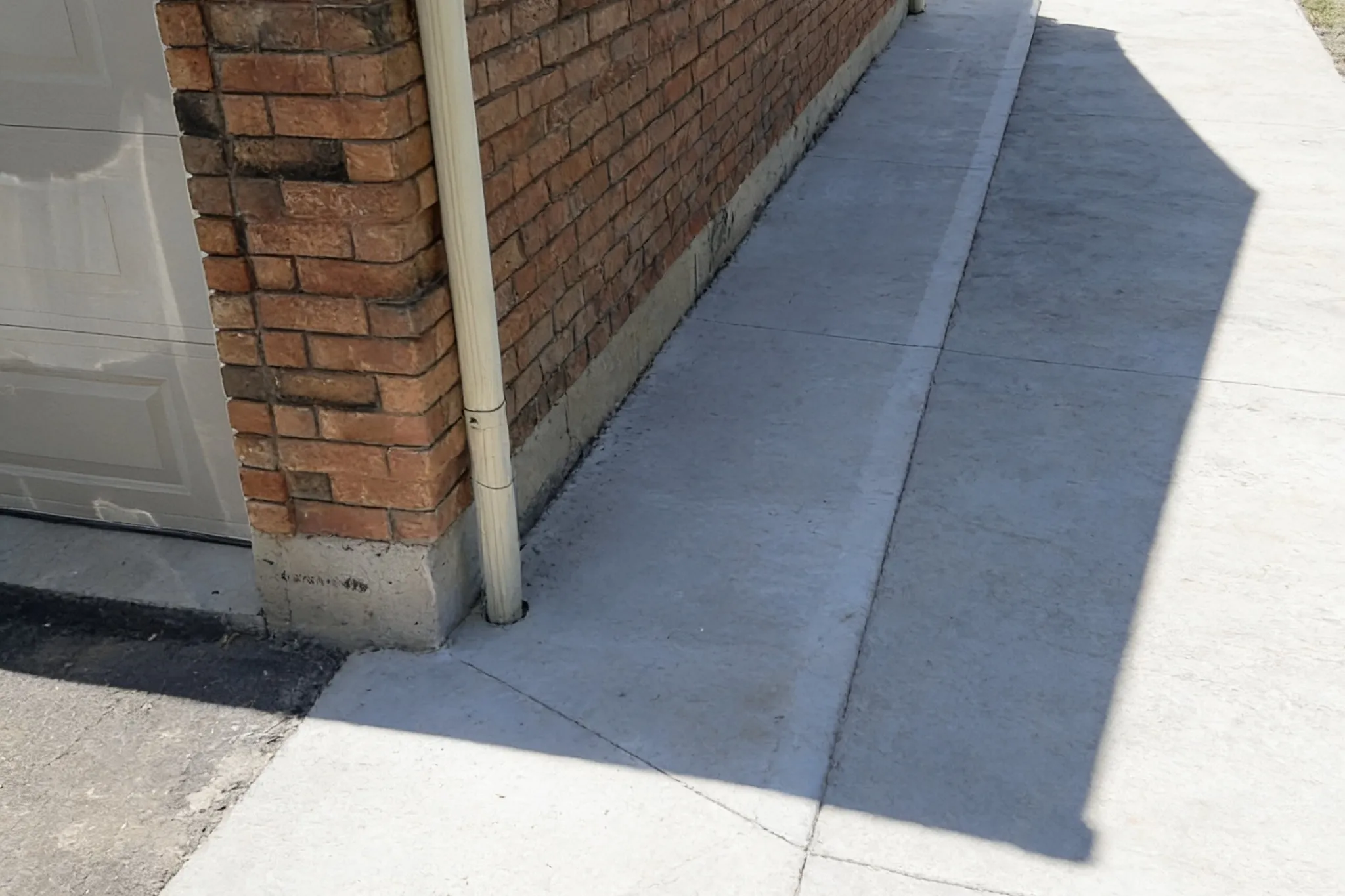
When I think about port dover foundation work, I also consider the concrete mix itself. The mix design should match the load and the exposure. A foundation that will be exposed to road salt or de-icing chemicals needs a different mix than one that sits in dry soil. Air-entrained concrete resists freeze-thaw damage better. A good concrete contractor will adjust the mix based on the site conditions, not just use a one-size-fits-all recipe.
Related Concrete Work Around the Property
While the foundation is the most critical part of a house, many homeowners in Port Dover also invest in other concrete features around the property. A concrete driveway that ties into the foundation apron needs to be poured with the same attention to base preparation. If the driveway settles, it can pull away from the house and create a trip hazard. Concrete driveway repair often starts with leveling the base and repouring the section that has dropped.
A concrete patio is another popular addition. It extends the living space outdoors, but it must be poured on compacted gravel and sloped away from the house. Otherwise, water runs toward the foundation. That is a mistake I have seen more than once. The patio looks great for a season, then the water finds its way into the basement. A good concrete contractor will always slope the patio away from the house, even if it means a slightly less symmetrical layout.
Concrete walkways and steps are also common. They need the same care in forming and finishing. A step that is not level can be a tripping hazard. And a walkway that holds water will crack in the winter when the water freezes. Concrete crack repair on walkways is a routine job, but it can be avoided with proper slope and drainage from the start.
For homeowners planning a patio installation or driveway repair, I always suggest they get free quotes from at least three contractors. That way they can compare the scope of work, not just the price. A low quote might mean the contractor is skipping important steps like soil compaction or proper reinforcement. A high quote might include premium materials or a longer warranty. Free quotes let you see the difference and ask the right questions before signing a contract.
Working with a Local Contractor
Port Dover foundation work benefits from local knowledge. A contractor who works in Norfolk County every day knows the building inspectors, the local suppliers, and the typical soil conditions. They can recommend the right concrete mix and the right depth without guessing. They also know the Ontario Building Code requirements for the area and can pull the necessary permits. That saves the homeowner from dealing with fines or having to redo work that does not pass inspection.
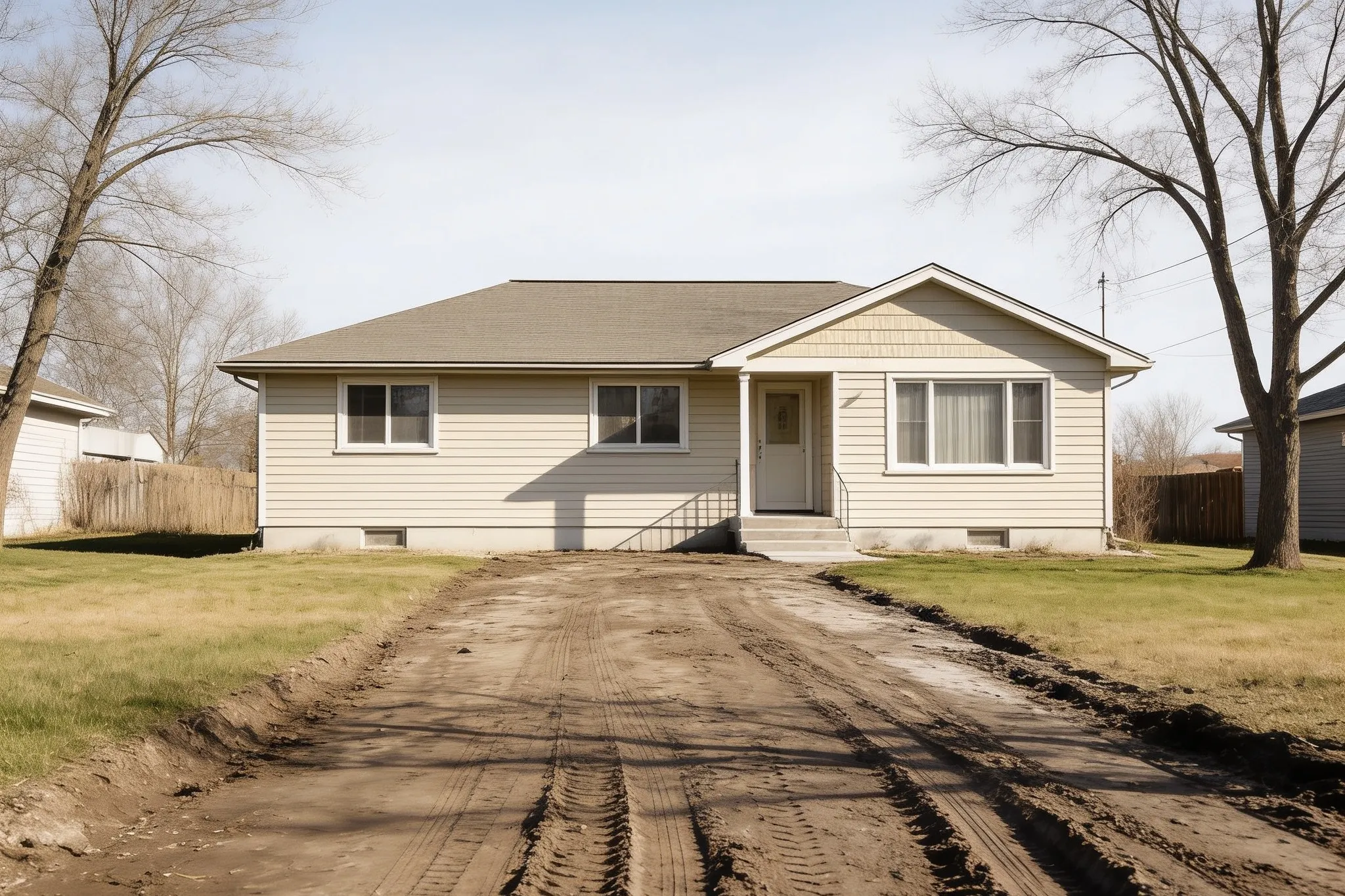
When I drive through Port Dover, I can tell which foundations were done by experienced crews and which were rushed. The ones that are level, with clean edges and no cracks, are the ones where someone took the time to do the prep work. The ones with settlement cracks or uneven walls are usually the ones where the homeowner tried to save a few hundred dollars on the excavation or the concrete mix. In the end, they paid more for repairs than they saved.
If you are planning foundation work, take the time to choose the right contractor. Look for union-certified crews who have done similar work in the area. Ask for references and visit a recent job site if you can. Pay attention to how they handle the details: the way they set the forms, the spacing of the rebar, the care they take with curing. Those details are what make the difference between a foundation that lasts fifty years and one that needs repair in five.
Port Dover foundation work is not something to cut corners on. The house depends on it. So does your peace of mind. Get it right the first time, and you will not have to think about it again for decades.